
 Author :

Both digital badges and traditional certificates are used to recognize achievements, but they differ in format, verification methods, and how they are issued and shared. These differences matter more today as credential verification, trust, and long-term validity play a growing role in how credentials are evaluated and used.
This blog explores the key differences between digital badges and traditional certificates to help clarify where each approach fits best, depending on the context and requirements.
This comparison is written as a simple guide for credential issuers such as universities, government bodies, training providers, and associations.
What is a Traditional Certificate?
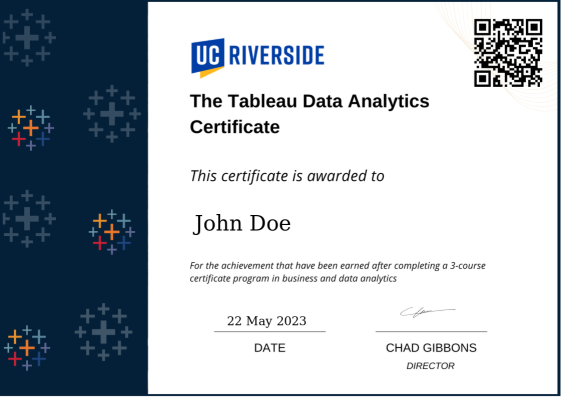
A traditional certificate is a piece of paper that formally states a fact about someone or something. For instance, if a student has graduated in a discipline such as computer science, a degree certificate from the university will state this fact, thereby proving the individual’s achievement.
Traditional certificates usually exist in physical form, such as being printed on paper. Moreover, they can also be digitized into formats such as digital images or PDFs. However, regardless of the format—whether physical or digital—it is not possible to independently verify the certificate. As a verifier, you must contact the issuer to verify the originality of the document.
What is a Digital Badge?
.png)
A digital badge, on the other hand, is a type of digital credential that is issued in an electronic format and is cryptographically signed for security. It is usually accessed through a verification link and is designed to be easily shared and independently verified.
Being issued as a verifiable credential means that when a digital badge is issued, it carries a hidden cryptographic code within it. If someone attempts to alter the digital badge, even slightly, this code changes. As a result, when a verifier tries to verify it online, the verification fails, clearly indicating that the digital badge has been tampered with.
This security mechanism is crucial for protecting the metadata associated with the digital badge. This metadata includes verifiable information like:
- Issuer’s Details
- Recipient Details
- Achievement Recognized
- Issuance Date
- Expiration Date
- Eligibility Criteria, etc
When issued as verifiable credentials, digital badges comply with established industry standards such as Open Badges 3.0 and W3C Verifiable Credentials. These standards ensure that digital badges remain secure, independently verifiable, and privacy-aware, while still being flexible enough to represent skills, milestones, and achievements.
| Differentiating Factors | Traditional Certificate | Digital Badge |
| Format and Delivery | It can be printed on paper or a PVC card (a plastic material usually used to print IDs). Additionally, it can be issued as digital images or PDFs. | It exists entirely online in a digital format. It is hosted on the issuer’s portal with all the metadata and independent verification methods. |
| Security & Tamper-Proofing | It can easily be altered in both physical and digital formats. For instance, the name of the issuer or the recipient can be edited using software such as Photoshop. | It is signed with a cryptographic signature, which changes if any unauthorized alteration is made. Hence, it is almost impossible to tamper with. |
| Shareability | While the physical paper or PVC card is hard to share, the image and PDF formats can be shared easily with anyone via email or other messaging apps. | It can easily be shared with anyone or on social media platforms like LinkedIn. |
| Verification | As there is no independent verification method, contacting the issuer is necessary to verify the traditional certificate. | It can be verified instantly via ID tagging, cryptographic signatures, or OTP verification. |
| Expiration / Updates | The expiry date can be printed on the certificate, but it is easy to manipulate and extend without authorization. | When the digital badge expires, the verification status changes to expired or revoked until it is reissued. |
When Should an Issuer Choose a Digital Badge Vs a Certificate?
Choosing between a digital badge and a certificate often comes down to how the credential will be used, not which format sounds more modern. Both serve different purposes, and understanding that difference is important.
Choose a digital badge when:
-
Recognizing specific skills or milestones: Digital badges work well for micro-skills, workshops, short courses, or internal milestones where issuing a full certificate might feel excessive.
-
Credentials need to be shareable or discoverable: If recipients are expected to share their achievements on professional profiles like LinkedIn or portfolios, badges make this easier.
-
Achievements stack into learning or career pathways: Badges are useful when learners earn multiple credentials over time that build toward a larger goal. For example, issuing badges to students for learning every new tool in a comprehensive video editing course.
-
Instant third-party verification is required: When employers, partners, or platforms need to verify a credential quickly without contacting the issuer, digital badges are often the better fit.
Choose a certificate when:
-
Issuing a formal course or program completion: Certificates are still widely used for full programs, degrees, or long-form courses where formal recognition is expected.
-
Credits, hours, or compliance requirements matter: In many industries, certificates often remain necessary to document instructional hours, credits, or mandatory training.
-
Credentials are used for audits, admissions, or HR records: Certificates are commonly required in processes that rely on official documentation and record-keeping.
-
Long-term institutional documentation is required: When credentials need to be stored, referenced, or validated years later as part of institutional records, certificates continue to play an important role.
Common Issuer Mistakes When Issuing A Digital Badge
Here are the common mistakes issuers often make when choosing between digital badges and traditional certificates.
Labelling static PDFs as “digital badges”:
It often happens that issuers distribute PDF files and call them badges. However, compared to a digital badge, they lack embedded data, verification links, or any way for third parties to confirm authenticity.
Not defining a clear verification method:
Most issuers do not mention how employers or institutions can verify the credentials issued by them. Sometimes, the credential even lacks the ability for self-verification, adding friction to the verification process. Therefore, one should make sure to issue credentials through a platform that offers integrated verification features, such as CertifyMe.
Ignoring expiry or revocation requirements:
Some credentials represent time-bound roles or skills, yet remain valid indefinitely. This creates a compliance and trust issue when roles change or qualifications expire. That is why it is important to set an expiry date for such credentials.
Conclusion
At a high level, both traditional certificates and digital badges serve to recognize achievements, but they differ significantly in how they are issued, verified, and maintained over time. Understanding these differences helps issuers choose the right format based on verification needs, scale, and long-term use.
In essence, a digital badge issued as a verifiable credential is secure, self-verifiable, and more convenient, but a traditional certificate may still be needed due to industry standards.